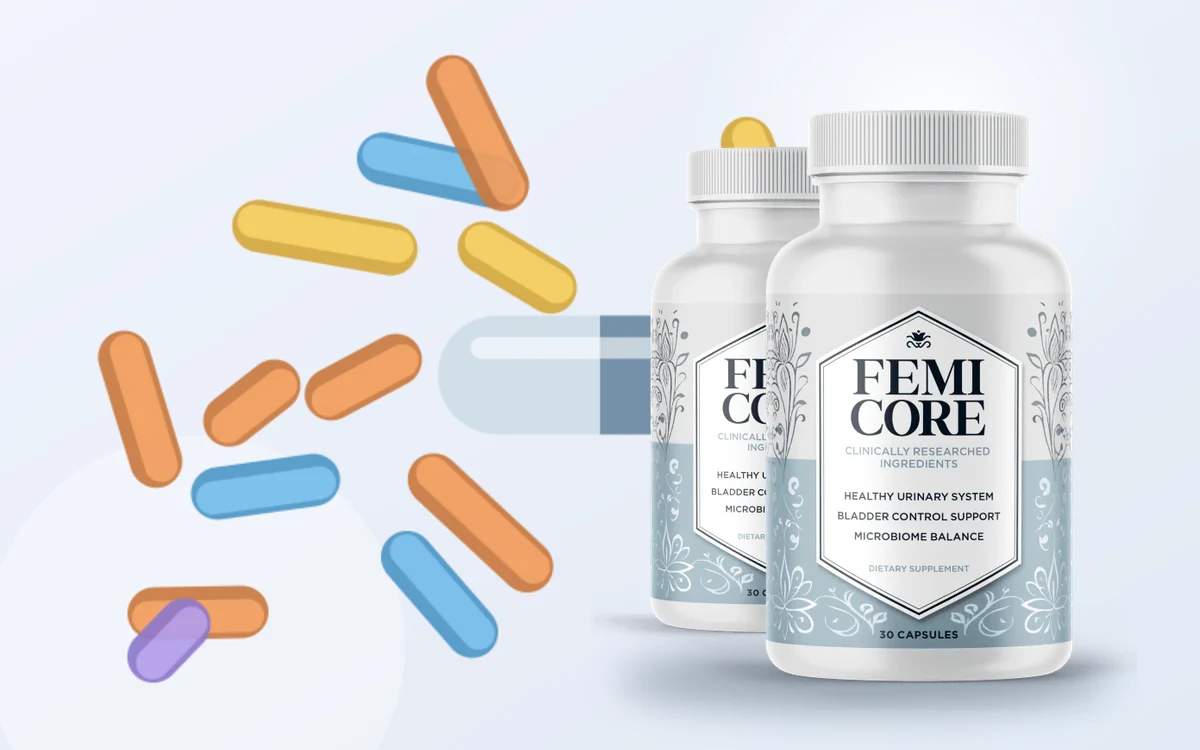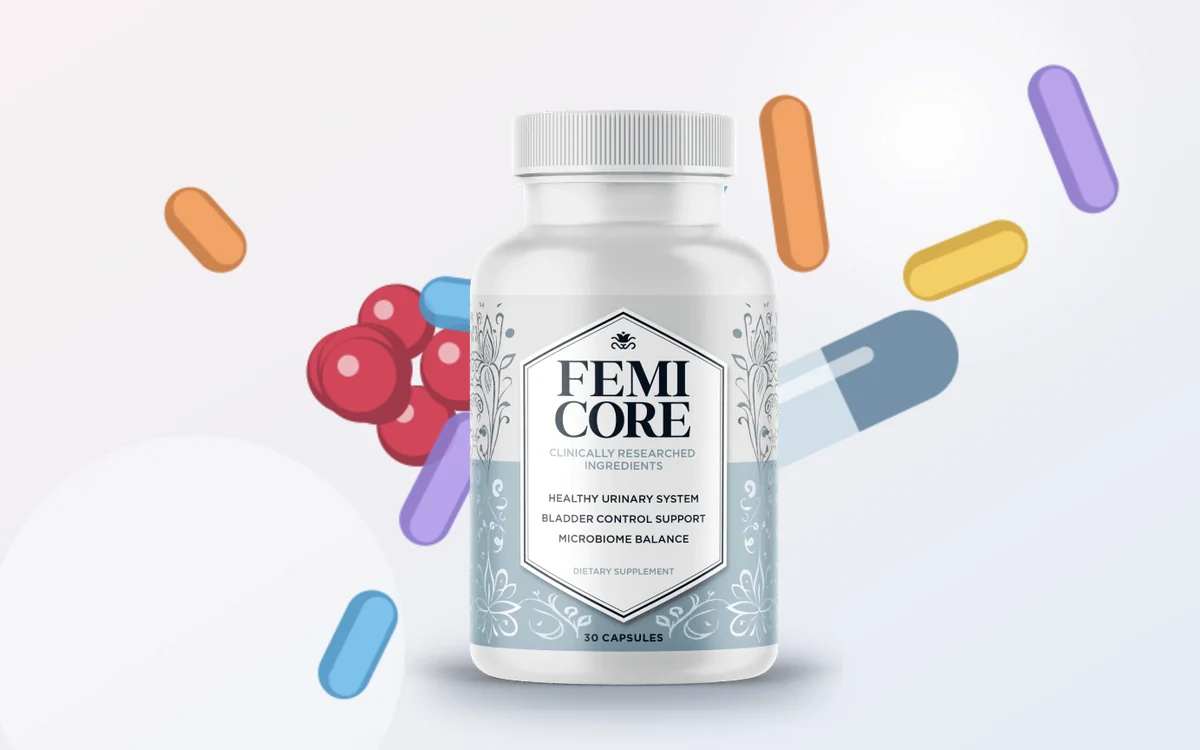
Femicore lists nine ingredients: four botanicals and five probiotic strains. Below, we go through each one, what it is, what government health sources and research say about it, and any safety notes worth knowing. One thing up front: the Supplement Facts panel lists the ingredients in two blends, a 350 mg UTI Herbal Blend and a 50 mg Probiotic Blend, without the amount of each ingredient within them.
The Botanicals
1. Cranberry Extract
Cranberry is the ingredient with the most research behind it. NIH's National Center for Complementary and Integrative Health (NCCIH) reports that cranberry may help some women avoid repeat symptomatic urinary tract infections. It also says cranberry is not a treatment for an infection you already have. The compounds researchers focus on are proanthocyanidins (PACs), and Femicore's label states its cranberry extract is standardized to 30% proanthocyanidins.
2. Bearberry (Uva Ursi)
Bearberry is a small evergreen shrub whose leaves have long been used in traditional practice for the urinary tract. They contain arbutin, which the body converts into hydroquinone. NIH's LiverTox database notes that very high doses can cause rare but serious reactions, and the LactMed database says there is no data on its safety during breastfeeding. Short-term use at modest amounts is the usual guidance.
3. Granular Berberine (Hydrochloride Extract 8%)
Berberine is a bright yellow plant compound found in goldenseal, barberry and other plants. Most research looks at its effects on blood sugar, cholesterol and weight rather than the bladder. NCCIH notes that goldenseal, berberine's best-known source, can change how some drugs work, including metformin, and should be avoided in pregnancy and breastfeeding.
4. Mimosa Pudica Seed Extract
Often called the "sensitive plant" because its leaves fold up when touched, mimosa pudica has a long history in traditional herbal practice. Its seeds appear in some modern digestive blends. Solid human research is limited, so treat it as a supporting ingredient rather than a headline one.
The Probiotics
Femicore's five probiotics all belong to the Lactobacillus group, friendly bacteria that produce lactic acid. NIH's Office of Dietary Supplements stresses that probiotic effects depend on the specific strain, and Femicore's label names a specific strain code for each of its five species.
5. Lactobacillus Crispatus (LCr86)
The species most often found dominating a healthy vaginal microbiome. Researchers have tested L. crispatus, given as a vaginal suppository, in women with recurrent UTIs, including an early safety trial published in PubMed Central. That's a different route than a swallowed capsule, so the results don't transfer directly.
6. Lactobacillus Acidophilus (LA85)
The best-known probiotic species, found in many yogurts and supplements.
7. Lactobacillus Plantarum (Lp05)
Common in fermented vegetables like sauerkraut and kimchi, and widely studied for digestive balance.
8. Lactobacillus Gasseri (LG08)
Lives naturally in the digestive tract and the female reproductive tract, which is why it shows up in many women's probiotic formulas.
9. Lactobacillus Casei (LC89)
A hardy species found in fermented dairy and many probiotic products.
The Bottom Line on the Formula
Femicore's ingredient list makes sense for its goals: cranberry and bearberry for the urinary side, Lactobacillus species for the microbiome side. The limits are the undisclosed amounts within each blend and the lack of a trial on the finished product. If you're pregnant, breastfeeding, on medication or managing a health condition, run the list past your clinician first. You can see how the ingredients come together on the product overview, or compare packages.